Following the England Lionesses’ growing success over the last 5 years, attention has turned to what the future of England will look like and if their success will continue after the current players retire. As a goalkeeper, stepping up to the number one spot comes with a lot of pressure, and Sophia Poor could be the one to take it on.
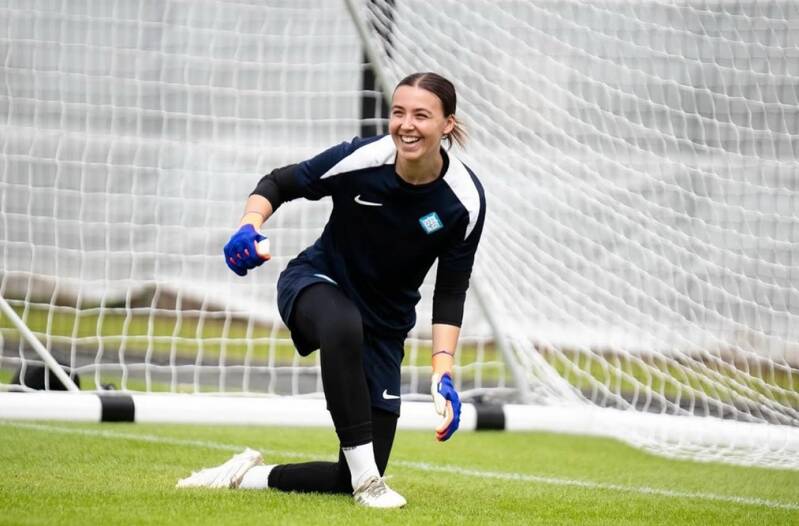
Sophia Poor received her first call up to represent England in September 2022, to be part of the U17 youth team battling it out in the first qualification games for the 2023 U17 Championships. Her debut was one to remember as she kept a clean sheet against Ukraine, giving the young Lionesses’ an early chance at qualifying for the tournament.
In club football, Poor plays for London City Lionesses, previously playing for Aston Villa and Loughborough Lightening too.
Whilst her career with London City Lionesses started out in the Women’s Championship and on loan from Aston Villa, Poor was part of the side who secured promotion into the Women’s Super League for the 2025/26 season, going on to sign for the club permanently on a deal that will run through until 2028.
When asked about how her footballing career started, Poor said:
“So, from like a very early age, my dad used to teach me how to do kick ups and stuff like that, so I’ve just been around it pretty much my whole life.
“And because he played as well, he was like you know, really really good, you should try it.”
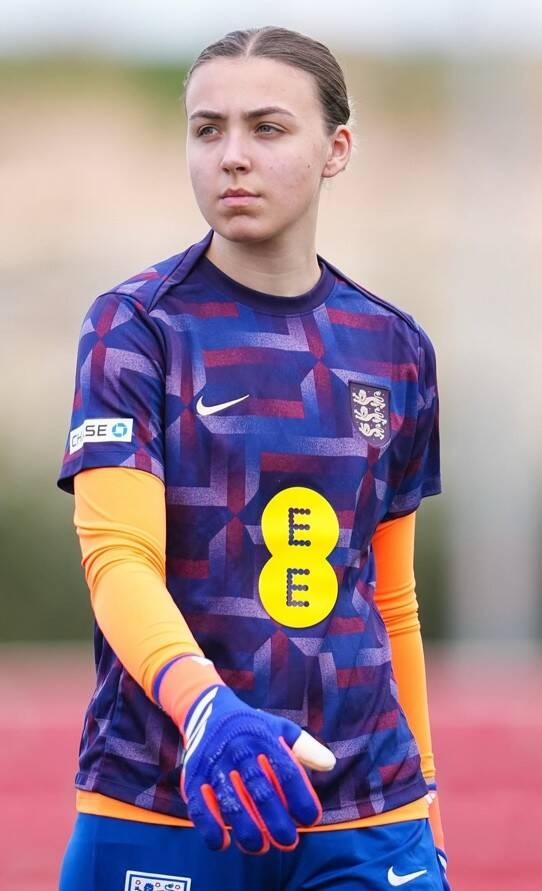
For many athletes, their careers are heavily influenced by one specific person or thing, and a lot of the time it comes from a parent or family member passing on their interests. For Sophia, when she was asked who the biggest influence was, naming just one person was hard, as she credited the people surrounding her.
“I don’t think there’s one person that I could probably say, but its more of like a collective.”
She continued with: “Like I always say I’ve got my team in training, but I’ve also got my team at home.
“That’s family and friends, like people close to me. And I think they are so significant on my life outside of football, where, you know, when I’m having decisions to be made or I need someone to talk, like I have my team which I’m really, really appreciative of.”
From the outside, it may look like professional athletes have everything they need to keep themselves going, but people often forget they are real people and will face setbacks and lack of motivation too. For Sophia, the shoulder injury she suffered a few years ago has been the biggest setback of her career, but how did she keep motivated during this time?
“It was a really tough time because obviously I was still really young, hadn’t broken through yet, and it was quite painful as well. It was quite hard to get through, but we got there in the end.
She explains, “One thing that keeps me motivated, especially like through that time as well, I just think of younger me, like I had a dream that I wanted to become a professional footballer playing in the WSL, training amongst all these big players and I think its so easy to get caught up on what’s going on around you, that you forget what your actual dream is.”
“So, when I’m feeling down, which happens, you know like football is up and down, I think back to six-year-old me, who had a dream.”
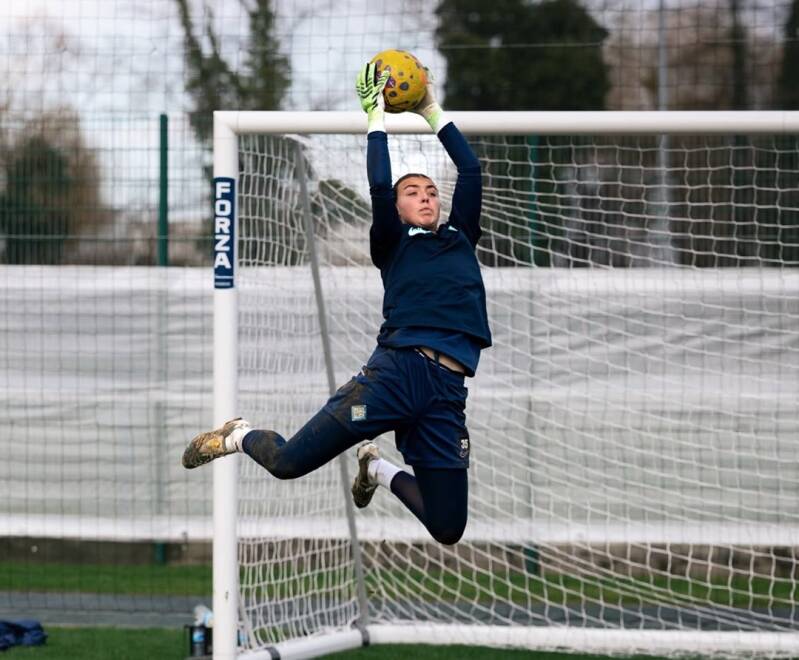
Enough about the negative parts of professional sports, athletes will also face incredible highs during their careers, one being making their debut, and for Sophia, it was exactly that, except it might not have been how she had expected.
When asked about her proudest achievement, she replied with: “Making my debut!”
She continues with, “That was a really special day, obviously I was playing for Villa at the time and wasn’t expected to come on just off the back of a big setback, and to be facing one of the most hectic games against Chelsea, I think I did well.
“It was probably one of the best days of my career.”
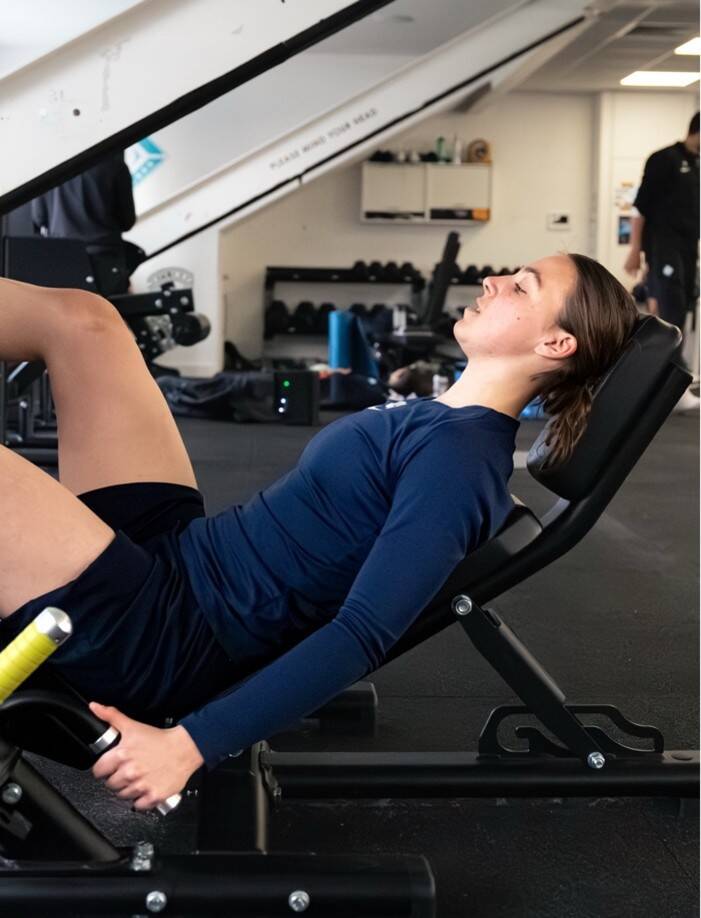
For a footballer to go professional, it requires lots of training sessions, hard work, determination and effort. They need to be able to replicate what they learn in training, out on the pitch, in what can only be described as high-intensity moments. And for this to run smoothly, their training days will target all the necessary areas.
“A typical training day is, getting in in the morning, go for breakfast, which I have the same breakfast every day.
“Then we have some time for games or to chat before heading to the gym for some pre-act, get the muscles ready and everything like that, maybe do uppers, lowers or a bit of both and then we have food and then head home.”
As well spending time in the gym or out on the training pitch, the food they eat is also important to ensure they are being fuelled correctly. But a cheat meal is also allowed sometimes, while some athletes may opt for a takeaway or ice cream, Sophia didn’t quite go in that direction…
“Probably just a nice bacon sandwich, bacon and a carb, can’t beat that to be fair.”
So that’s how Sophia spends her training days, but what about days off?
“This is quite random, but I do love making videos with my friends, or anything creative like a bit of art. I love like editing and making videos and just exploring new places really, anything historic.
“Sometimes its just sitting in and making food, you know, watching a movie.”
When asked how her family and friends would describe her in three words, Poor replied laughing:
“Family and friends probably very different. My friends would probably say weird, creative and thoughtful.”
Currently, women are still underrepresented in sports, but women’s sports is also at the best point it’s ever been at. A survey conducted by SIGA in 2026, showed women now occupy 32.02% of executive positions within the Association of Summer Olympic International Federations, an increase of 18.3% since 2018. As well as an increase in women working in sports, there has also been an increase in participation, with this years’ Winter Olympics being the most gender balanced in Olympic history.
When asked if she felt it was harder for women to access opportunities in professional sport compared to men, Sophia said:
“It’s a difficult one, I think were very fortunate with women’s football and the way its going and how its progressing, especially in the last five years. I feel like now girls are coming up and have more support and funding, whereas like growing up for me, it was probably a bit less, but it still wasn’t awful.
“I think in other sports, we’ve definitely got a bit more work to do, but I think it’s pretty similar now.”
When asked about an alternative career path if she wasn’t a footballer, Sophia said,
“Um, I’d probably buy a café or something, and make it into a cool, sports bar almost. I don’t know, something creative, like a little project maybe.”
Sophia Poor is one of England’s young prospective talents for between the sticks as she makes her way through the youth levels. With England U17 & U19, WSL experience and a Women’s Championship medal on her CV at just 19 years old, she serves as an inspiration to other young girls who, just like six-year-old Sophia, will be dreaming of playing in the WSL one day.
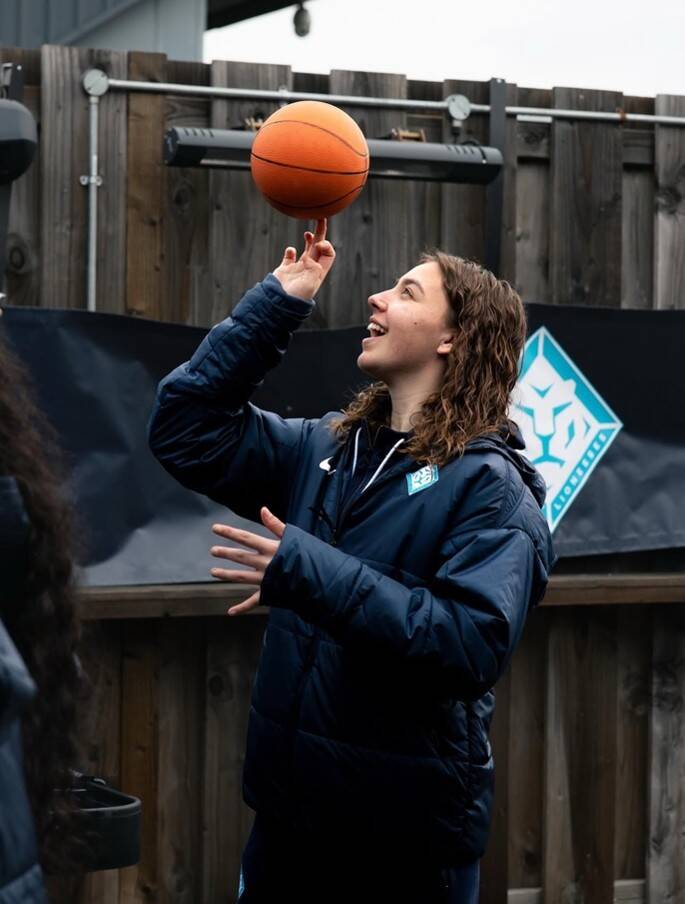
PHOTO CREDIT: Instagram via @sophia._poor
WRITTEN BY: Piper Bradford-Reynolds
Add comment
Comments